Identifying Lice: A Guide to Spotting and Dealing with the Unwelcome Guests
Lice infestation is a common problem, particularly among children in schools and childcare settings. These tiny insects can cause itching, discomfort, and embarrassment. Identifying lice early is crucial to prevent their spread and effectively manage the infestation. Here’s a comprehensive guide on how to identify lice:
What are Lice?
Lice are small, wingless insects that live on the scalp and hair. They feed on blood and can cause intense itching. There are three main types of lice: head lice, body lice, and pubic lice. However, head lice are the most prevalent and often the focus of concern.
Signs and Symptoms:
1. Itching: Persistent itching, particularly around the scalp, neck, and behind the ears, is a primary symptom of head lice infestation. However, not everyone experiences itching, especially during the initial stages.
2. Visible Lice: Adult lice are tiny, about the size of a sesame seed, and can be difficult to spot. They are usually grayish-white or brownish color. Nits, or lice eggs, are easier to see and may appear as tiny yellow, brown, or tan dots attached to the hair shaft, close to the scalp.
3. Rash: Excessive scratching can lead to redness, irritation, and even secondary bacterial infections on the scalp, neck and surrounding areas.
How to Check for Lice:
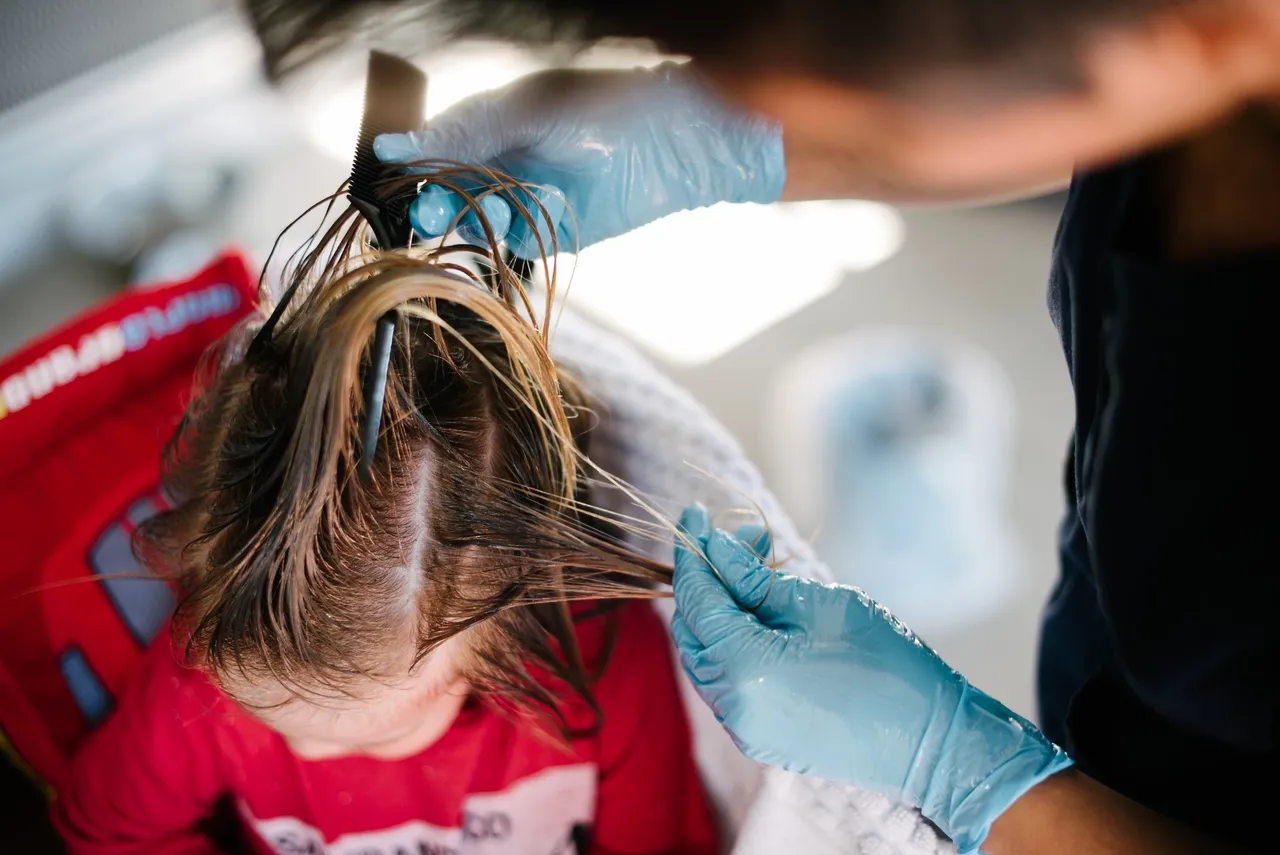
1. Wet Comb Method: Wet the hair and apply a conditioner. Comb through the hair using a fine-toothed comb. Wipe the comb onto a tissue or paper towel and check for any lice or nits.
2. Visual Inspection: Section the hair and use a magnifying glass and bright light to examine the scalp and hair strands closely. Look for moving lice or nits attached to the hair shafts.
3. Behind the Ears and Neck: Lice prefer warm areas, so pay close attention to the nape of the neck and behind the ears when inspecting for lice.
What to Do if You Find Lice:
1. Notify Close Contacts: Inform family members, close friends, and individuals who have had prolonged head-to-head contact with the infested person to check for lice.
2. Cleaning: Wash all bedding, clothing, and personal items used by the infested person in hot water and dry them on high heat. Vacuum carpets, upholstery, and any other surfaces that may have come into contact with lice.
3. Prevent Re-infestation: Encourage individuals to avoid sharing personal items such as combs, brushes, hats, and helmets. Teach children to avoid head-to-head contact during play and discourage the sharing of hats or scarves.
4. Treatment: Once you identify that you have lice, a treatment must take place in order to eliminate the lice infestation. Call us 858-876-LICE (5423) immediately to schedule your in-home lice treatment today or the next day! We specialize in removing all live lice and Nits in only one treatment! We serve clients at their home since 2016 and our treatment is safe and guaranteed for 30 days!
Conclusion:
Identifying lice early is key to preventing their spread and managing infestations effectively. By knowing the signs and symptoms of lice and conducting regular checks, you can catch infestations early and take prompt action to eradicate these unwelcome guests. Remember to remain vigilant, especially in environments where close contact is common, and take proactive measures to prevent re-infestation.